
SUBMARINE CABLE COVERAGE IN INDONESIA
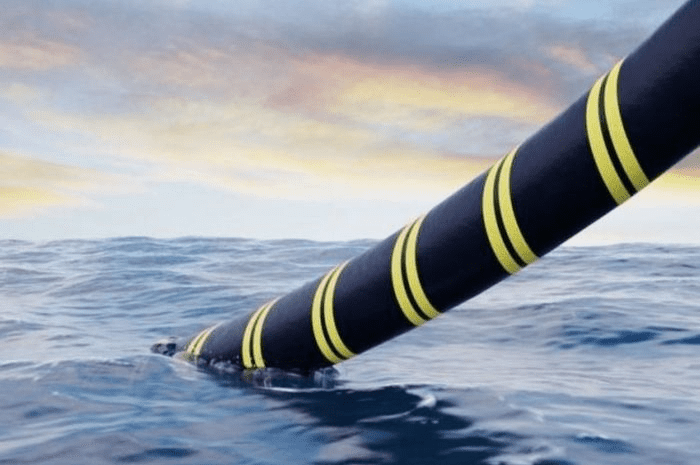
The coverage of undersea cables in Indonesian waters is currently being recorded and inventoried so that it can be organized. This is because hundreds of cables were found in the corridor routes of the undersea cable network in Indonesian territory. These pipes cover the needs of electricity distribution, fiber optics, and gas pipes, among others, and the route arrangement is regulated by Ministerial Decree number 14 of 2021 concerning undersea cable policy. It was agreed that there are 217 corridor routes, 209 beach manholes, and four landing station locations for cables entering and leaving Indonesian waters. The Head of the Hydrography and Oceanography Center of the Indonesian Navy, Vice Admiral Agung Prasetiawan, said there are 186 undersea cable routes in the corridors and several cable routes that have no clear information.
The results of this recapitulation and the Ministry of Marine Affairs and Fisheries (KKP) show 186 undersea cables outside the routes set by Ministerial Decree 14/2021, on Monday 23/03/2021. Meanwhile, the inventory of routes under the sea within the corridors is still ongoing. Agung explained that the inventory process takes time and is therefore still in progress; he asked that the relevant stakeholders provide information so that the data collection can proceed faster. On the same occasion, PLN's electricity system planning representative Edwin Nugraha Putra will support this ministerial decree. His side will be built up for the data collection process. In addition, his side will also report the cable routes that PLN will build in accordance with the Electricity Supply Business Plan (RUPTL).
Its performance in connecting one person with another was remarkable for its time: within minutes, a message sent by telegraph could arrive. It performs much like an ordinary cable. The difference, as reported by britannica.com, is that the conductor of an undersea cable is wrapped in a thicker layer to prevent short circuits caused by seawater. The thick cable layer makes it look like a giant cable. It is designed to last 25 years under the sea, and periodic repairs would be difficult. In addition, some have different thicknesses. Cables buried beneath the ocean floor have a thinner layer than cables laid on top of the ocean floor. Despite the many new technologies today, it remains irreplaceable.
References
https://tekno.tempo.co/read/1508651/bebera`pa-hal-yang-perlu-anda-ketahui-soal-kabel-bawah-laut
Let's get to know the study program better Bachelor of Telecommunication Engineering and visit the official website ITTelkom Jakarta yes!
Written by Lukman Hakim
