Introduction to Cloud Computing
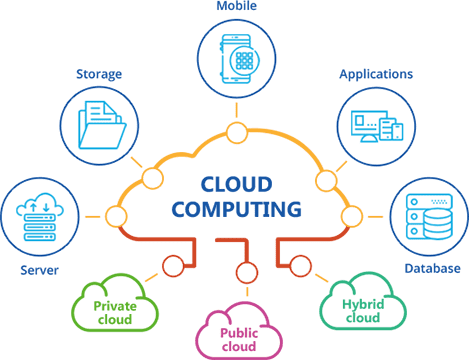
Cloud computing is a computing service model that enables easy, on-demand, and measurable network access to shared computing resources such as servers, networks, storage, applications, and services. In an introduction to cloud computing, these computing resources are provided over the internet, so users can access them from anywhere and at any time.
Types of cloud computing based on services
The three types of cloud computing services that are commonly used are:
- Infrastructure as a Service (IaaS): A service that provides computing infrastructure such as servers, networks, and storage virtually. In this service, users can build, manage, and configure their own infrastructure.
- Examples of IaaS providers are Amazon Web Services, Microsoft Azure, and Google Cloud Platform.
- Platform as a Service (PaaS): A service that provides a platform for building, testing, and deploying applications easily. In this service, users do not need to think about the infrastructure being used, but focus on application development.
- Examples of PaaS providers are Heroku, Google App Engine, and Microsoft Azure.
- Software as a Service (SaaS): A service that provides online applications that users can access via the internet. In this service, users do not need to think about the infrastructure and applications being used, but only focus on using the application.
- Examples of SaaS providers are Google Workspace, Microsoft Office 365, and Salesforce.
Examples of cloud computing use
Regardless of its various services, cloud computing gives its users a range of functions, such as:
- Email, for example the Zimbra Mail service
- Storage, backup, data retrieval
- Building and testing applications
- Analyzing data
- Streaming audio and video
Cloud computing is a relatively new service, but it is already used by a wide range of companies, from small ones to large corporations, government companies or ministries, and even individual users.
Not only that, cloud computing also offers services such as language processing, artificial intelligence, and standard work programs. In short, services that do not require you to be physically in front of hardware such as a computer or laptop.
Benefits of Using Cloud Computing
- Economies of Scale: Cloud computing allows organizations to save on infrastructure costs because they only pay for the computing resources they use.
- Flexibility: Cloud computing allows organizations to adjust their computing resources to their business needs. They can increase or decrease computing resources quickly and easily.
- Accessibility: Cloud computing allows access to computing resources from anywhere and at any time using an internet connection.
- Security: Cloud computing allows users to secure their computing resources better than conventional computing systems. This is because cloud computing service providers usually have trained security teams and better security infrastructure.
- Scalability: Cloud computing allows organizations to easily increase the capacity of their computing resources when user demand rises.
- Collaboration: Cloud computing allows users to work collaboratively and share information more easily.
- Time Savings: Cloud computing allows organizations to save time managing their infrastructure. This is because cloud computing service providers usually perform regular infrastructure maintenance and repairs, so users do not have to do it themselves.
Here is a brief explanation of Introduction to Cloud Computing. Get to know our study program better Bachelor of Telecommunication Engineering and visit the official website Telkom University Jakarta Campus yes!
Written by Dzul Rahman
