History of Pagers or Beepers
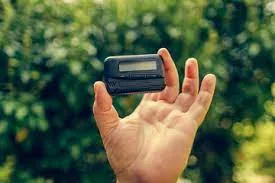
Long before email and SMS, there was the pager, a portable miniature radio-frequency device that enabled instant human interaction. Invented in 1921, the pager, also called a “beeper”, reached its heyday in the 1980s and 1990s. Hanging one on a belt, shirt pocket, or bag strap signaled a certain status: that of someone important enough to be reached right at that moment. Like today's emoji-savvy text messengers, pager users eventually developed their own shorthand forms of communication.
The First Pager
A pager-like system was first used by the Detroit Police Department in 1921. However, it was not until 1949 that the first telephone pager was patented. The inventor's name was Al Gross, and his pager was first used at a Jewish hospital in New York City. Early pagers were not consumer devices available to everyone. In fact, the Federal Communications Commission did not approve pagers for public use until 1958. For years, this technology was reserved for critical communication among emergency responders such as police officers, firefighters, and medical professionals.
Motorola Corners the Market
In 1959, Motorola produced a personal radio communication product called the pager. The device, about half the size of a deck of cards, contained a small receiver that sent radio messages individually to those who also carried pagers. The first successful consumer pager was the Motorola Pageboy I, introduced in 1964. It had no display and could not store messages, but it was portable and told the wearer by tone what action to take.
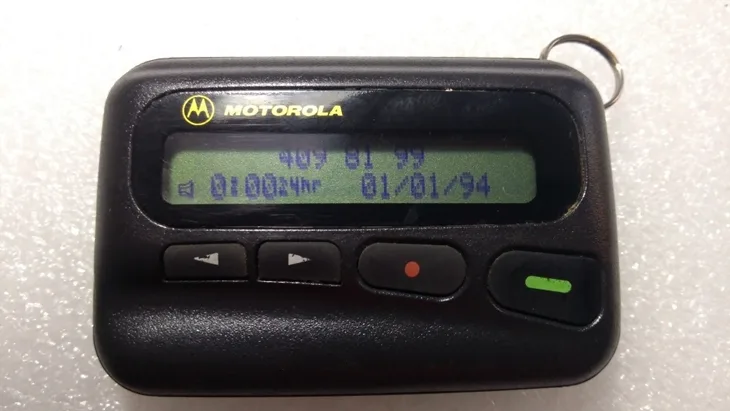
There were 3.2 million pager users worldwide in the early 1980s. At that time pager range was limited and pagers were mostly used in on-site situations, for example, when medical workers needed to communicate with each other inside a hospital. Today, Motorola also makes devices with alphanumeric displays, which allow users to receive and send messages over digital networks.
A decade later, wide-area paging had been invented, and by 1994 there were more than 61 million in use, and pagers also became popular for personal communication. Pager users could now send a range of messages, from “I Love You” to “Good Night”, all using a series of numbers and asterisks.
How Pagers Work
The paging system was not only simple but also reliable. Someone sends a message using a touch-tone phone or even email, which is then forwarded to the pager of the person they want to reach. That person is notified that a message has arrived, either by a beep or a vibration. The incoming phone number or text message is then shown on the pager's LCD screen.
Heading Toward Extinction?
Although Motorola stopped making pagers in 2001, pagers are still being produced. Spok is one company that provides a range of paging services, including one-way, two-way, and encrypted. Indeed, an estimated 2 million pagers are in use today, as of early 2021.2
“ Why Are Millions of Pagers Still in Use? ” Magento Commerce. That is because even today's smartphone technology cannot compete with the reliability of the paging network. A phone is only as good as the cellular network or Wi-Fi it uses, so even the best networks still have dead zones and poor indoor coverage. Pagers also send messages instantly to many people at the same time, with no delay in delivery, which is crucial when minutes, even seconds, matter in an emergency. Finally, cellular networks quickly become overloaded during disasters. This does not happen with paging networks.
So, until cellular networks can be relied upon, the little “beeper” hanging from a belt remains the best form of communication for those who work in critical communications.
Well, that is more or less the History of Pagers or Beepers. Let's get to know our study program better Bachelor of Telecommunication Engineering and visit the official website Telkom University Jakarta Campus yes!
Written by Dzul Rahman
